

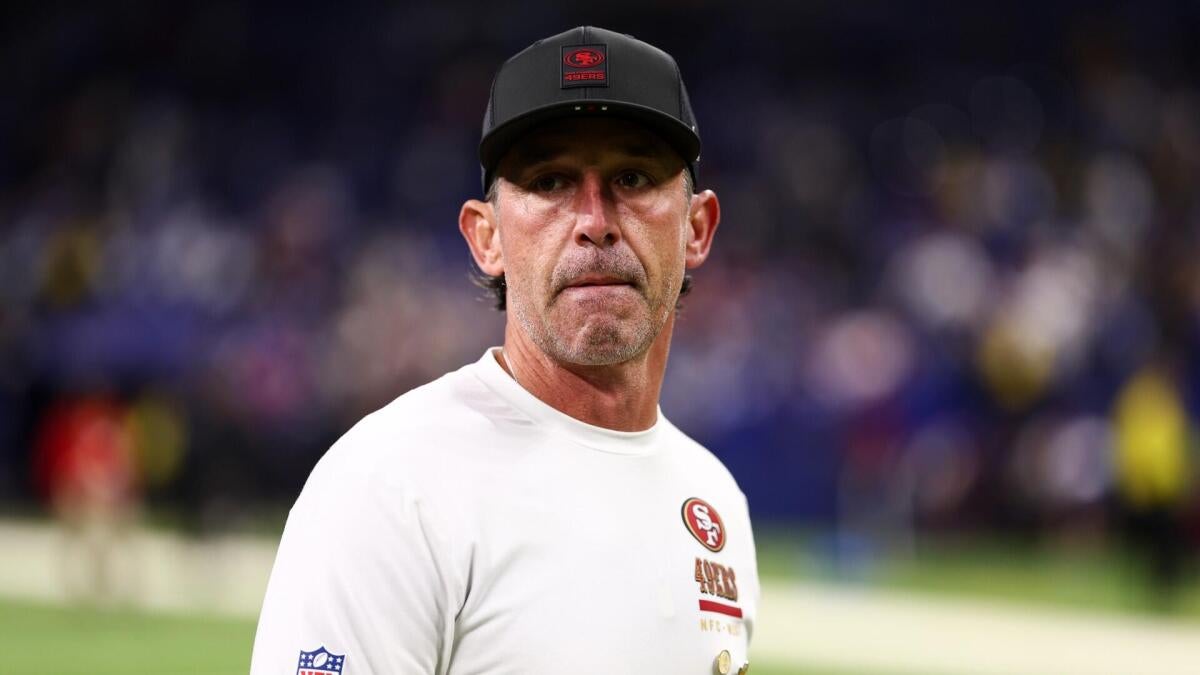
San Francisco 49ers head coach Kyle Shanahan publicly confirmed Saturday that his vehicle was operating in an autopilot mode when it was involved in a recent accident. Shanahan, who sustained minor injuries, stated he is nearing full recovery and plans to coach in the team's upcoming preseason opener.
The disclosure by a high-profile individual like Shanahan places a spotlight on the evolving landscape of automotive technology, specifically advanced driver-assistance systems (ADAS) that offer varying levels of automation. These systems, often referred to colloquially as "autopilot," typically include features such as adaptive cruise control, lane-keeping assistance, and automatic emergency braking. While designed to enhance safety and reduce driver fatigue, their implementation and public understanding remain subjects of ongoing debate and regulatory scrutiny.
Automakers continue to invest heavily in developing more sophisticated ADAS, with many aiming for fully autonomous vehicles in the coming years. This ambition, however, is met with significant technical challenges, ethical considerations, and a complex regulatory environment. Incidents involving vehicles equipped with these systems often prompt investigations by bodies such as the National Highway Traffic Safety Administration (NHTSA) to determine the precise circumstances, contributing factors, and the role of both human and machine.
The insurance industry closely monitors these developments, as the allocation of liability in accidents involving ADAS remains a critical concern. As vehicles become more automated, the traditional models for assigning fault, which primarily focus on driver error, may need to adapt to include software, sensor, and manufacturer responsibilities. This could potentially influence policy premiums, claims processes, and the overall risk assessment for millions of policyholders.
From a broader economic perspective, the successful integration of autonomous technology promises significant societal benefits, including reduced traffic congestion, lower accident rates, and increased accessibility for individuals unable to drive. However, the path to widespread adoption is fraught with hurdles, including public trust, infrastructure readiness, and the need for robust legal frameworks that can keep pace with technological advancement.
While specific details of Shanahan's accident, such as the make and model of the vehicle or the precise nature of the collision, were not immediately released, his account serves as a reminder of the current transitional phase in automotive technology. Drivers are consistently advised to remain attentive and prepared to take control of their vehicles even when ADAS features are engaged, as these systems are not yet capable of fully independent operation under all conditions.
This incident is likely to add to ongoing discussions among policymakers, technology companies, and consumer advocacy groups regarding the clear communication of ADAS capabilities and limitations to the public. As self-driving technology continues to evolve, understanding the roles and responsibilities of both human drivers and automated systems will be paramount.
Further investigations into the specifics of the accident and the vehicle's autopilot system are anticipated, potentially influencing future guidance for autonomous driving features and consumer education.