
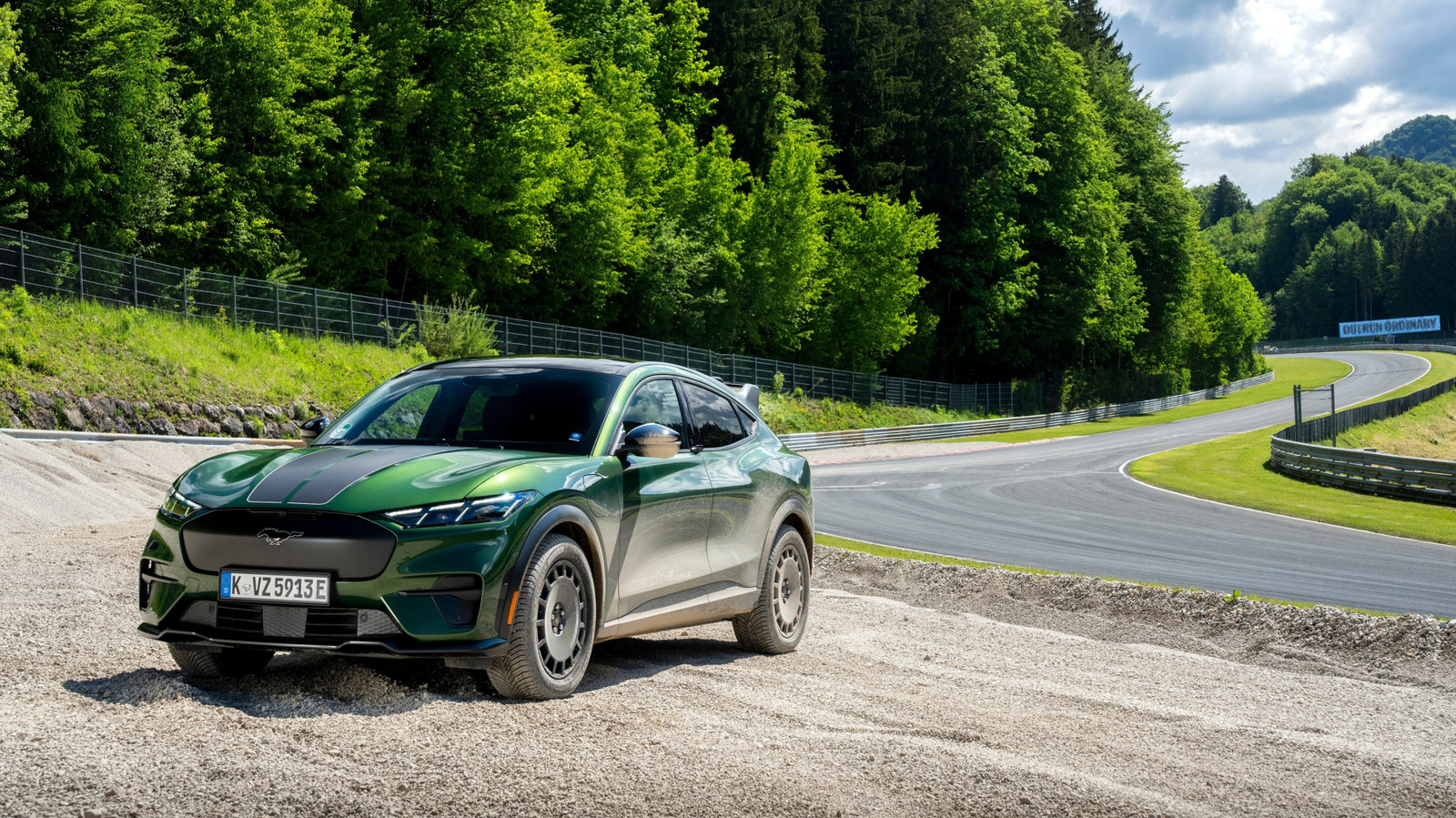
The automotive landscape has seen a significant shift towards electric vehicles (EVs), with manufacturers increasingly prioritizing performance alongside sustainability. Ford's Mustang Mach-E, an all-electric SUV that borrows the iconic Mustang name, has carved out a notable niche for itself, offering a compelling blend of utility and surprising acceleration.
Since its introduction, the Mach-E has been praised for its brisk performance, particularly in its GT and GT Performance Edition trims. These higher-spec models can achieve 0-60 mph times in the mid-three-second range, a speed traditionally associated with high-performance sports cars, not family SUVs. This level of acceleration has been a key selling point for Ford, aiming to deliver an engaging driving experience within a practical electric SUV platform.
However, the competitive field of electric SUVs is rapidly expanding, with several rivals now surpassing the Mach-E in terms of sheer straight-line acceleration. These include vehicles like the Tesla Model Y Performance, which can outpace the Mach-E with 0-60 mph times closer to 3.5 seconds. Other contenders from luxury and performance brands, such as select Porsche Taycan Cross Turismo models and the new Kia EV6 GT, also demonstrate superior acceleration, often dipping into the low three-second or even sub-three-second range.
The rapid advancement in battery technology and electric motor design has enabled these vehicles to achieve such remarkable speeds. Unlike internal combustion engines, electric motors deliver instant torque, providing a more immediate and powerful surge of acceleration from a standstill. This inherent characteristic of EVs is driving a new era of performance metrics, where 0-60 mph times are becoming a crucial battleground for manufacturers.
For consumers, this growing segment offers a diverse range of options for those seeking both the practicality of an SUV and the thrill of rapid acceleration. While the Mustang Mach-E remains a strong contender, its position at the pinnacle of electric SUV performance is constantly being challenged by new entrants and advancements from established players. This dynamic market ensures that innovation in electric vehicle performance will continue at a swift pace.
Ultimately, the choice for consumers often comes down to a balance of factors, including price, range, features, and brand loyalty, in addition to acceleration. The Mach-E continues to be a popular choice, demonstrating that a blend of heritage and future-forward technology can resonate with a broad audience, even as the bar for electric SUV performance continues to rise.