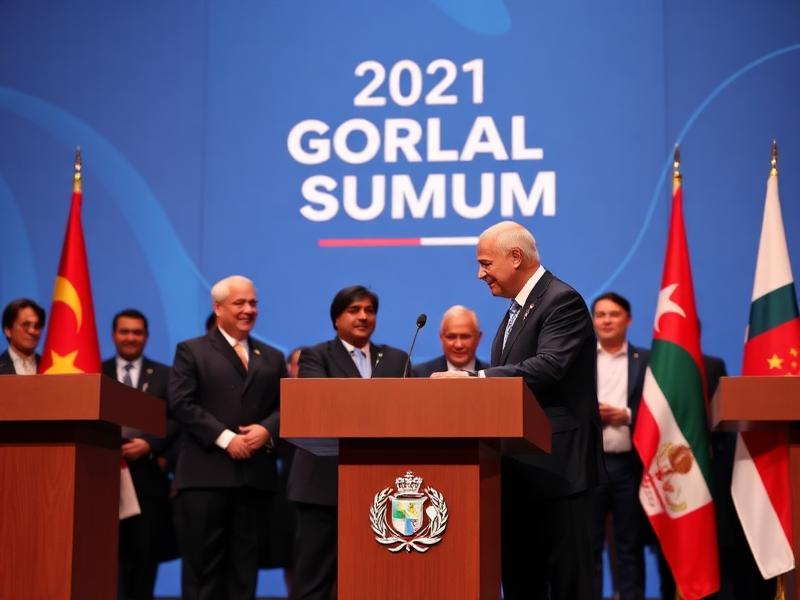

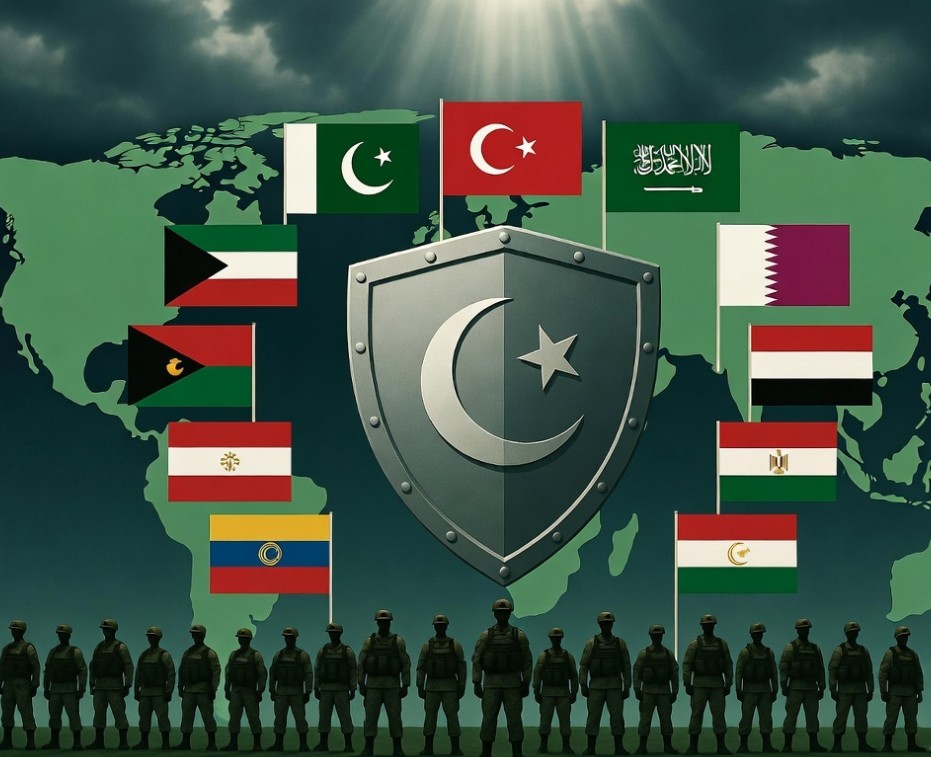
Kuwait has officially ratified a comprehensive defense cooperation agreement with Pakistan, a move that solidifies existing military ties between the two nations. The agreement, initially signed three years prior, was formalized through decree-law no. 73 of 2026 and publicly announced in Kuwait's official gazette, Kuwait Al-Youm, on July 26. This development underscores a continued trend of enhanced security partnerships in the Persian Gulf region.
The pact establishes a formal framework for collaboration between the armed forces of Kuwait and Pakistan. Its core objectives include fostering military training, conducting joint exercises, facilitating intelligence sharing, and promoting cooperation in areas such as logistics and defense technology. This structured approach aims to bolster the defensive capabilities of both countries and contribute to regional stability.
This ratification follows a period of increasing engagement between Pakistan and various Gulf Cooperation Council (GCC) states. Pakistan has historically maintained strong defense relationships with several countries in the region, providing military expertise, training personnel, and participating in joint security initiatives. The formalization of this agreement with Kuwait aligns with this broader strategy of strengthening regional alliances.
For Kuwait, the agreement comes at a time when Gulf security remains a critical concern. Geopolitical tensions, coupled with the ongoing complexities of regional power dynamics, necessitate robust defense postures. Partnering with a nation like Pakistan, which possesses a well-trained and experienced military, offers Kuwait an avenue to enhance its defense readiness and diversify its security partnerships.
From Pakistan's perspective, such defense agreements are strategically valuable. They not only provide economic benefits through military sales and training programs but also reinforce Pakistan's role as a significant security provider and partner in the Islamic world. It also aids in projecting Pakistan's influence and strengthening its foreign policy objectives in the Middle East.
The specifics of the agreement, while largely focused on conventional military cooperation, are particularly pertinent given the evolving threat landscape in the Gulf. This includes concerns about maritime security, counter-terrorism efforts, and strategic deterrence. The formalized framework allows for more structured responses to these challenges.
This latest development with Kuwait mirrors similar defense engagements Pakistan has cultivated within the GCC, including a longstanding and robust partnership with Saudi Arabia. These evolving patterns of defense collaboration reflect a proactive approach by Gulf states to secure their interests in a volatile geopolitical environment, often seeking partnerships beyond traditional Western alliances to build comprehensive security frameworks.