

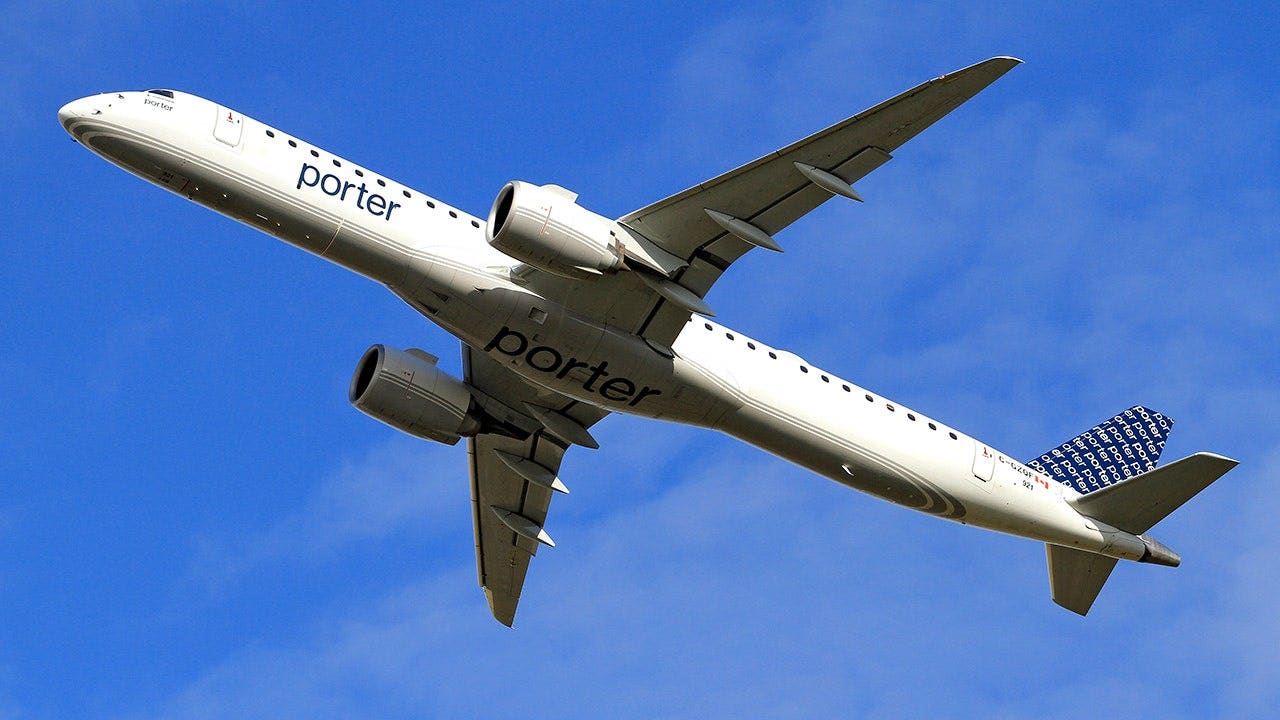
A Porter Airlines flight scheduled from Victoria, British Columbia, to Toronto, Ontario, was canceled on Wednesday, June 12, 2024, after a toddler repeatedly refused to buckle their seatbelt, leading to the deplaning and overnight stranding of all passengers.
The incident occurred on Porter Airlines flight 444 at Victoria International Airport. According to airline officials, cabin crew members made multiple attempts to secure the child in their seat. Federal aviation regulations in both Canada and the United States mandate that all passengers, including young children, must be properly secured with a seatbelt during takeoff and landing. This regulation is a critical safety measure designed to prevent injury in the event of unexpected turbulence or an aborted takeoff.
After efforts to comply with safety protocols were unsuccessful, the flight crew made the decision to deplane all passengers. This measure is typically taken when a situation prevents a flight from safely departing or operating, often to allow for a resolution without the time pressure of an imminent departure. Passengers were subsequently required to make overnight arrangements in Victoria.
The cancellation underscores the stringent safety requirements governing air travel, which prioritize the well-being of all individuals onboard. While such incidents are rare, they highlight the operational complexities faced by airlines, especially concerning passenger compliance with safety instructions. For the affected passengers, the unexpected overnight stay likely incurred additional costs for accommodation and meals, which may fall under the purview of travel insurance policies depending on their specific terms and conditions regarding flight cancellations.
Airline policies regarding compensation for canceled flights vary significantly, often depending on the cause of the cancellation and the duration of the delay. In cases where the cancellation is not due to a mechanical issue or weather, but rather passenger behavior, the airline's obligation for rebooking and compensation can become a point of contention. This incident serves as a reminder for travelers to understand their rights and the airline's responsibilities, which are often outlined in their ticket's terms and conditions or national passenger protection regulations.
Looking ahead, passengers affected by such disruptions typically face rebooking challenges and potential delays in reaching their final destinations. Airlines generally work to rebook passengers on the next available flights, which can be particularly challenging during peak travel seasons, potentially impacting business travel schedules and family vacation plans.