
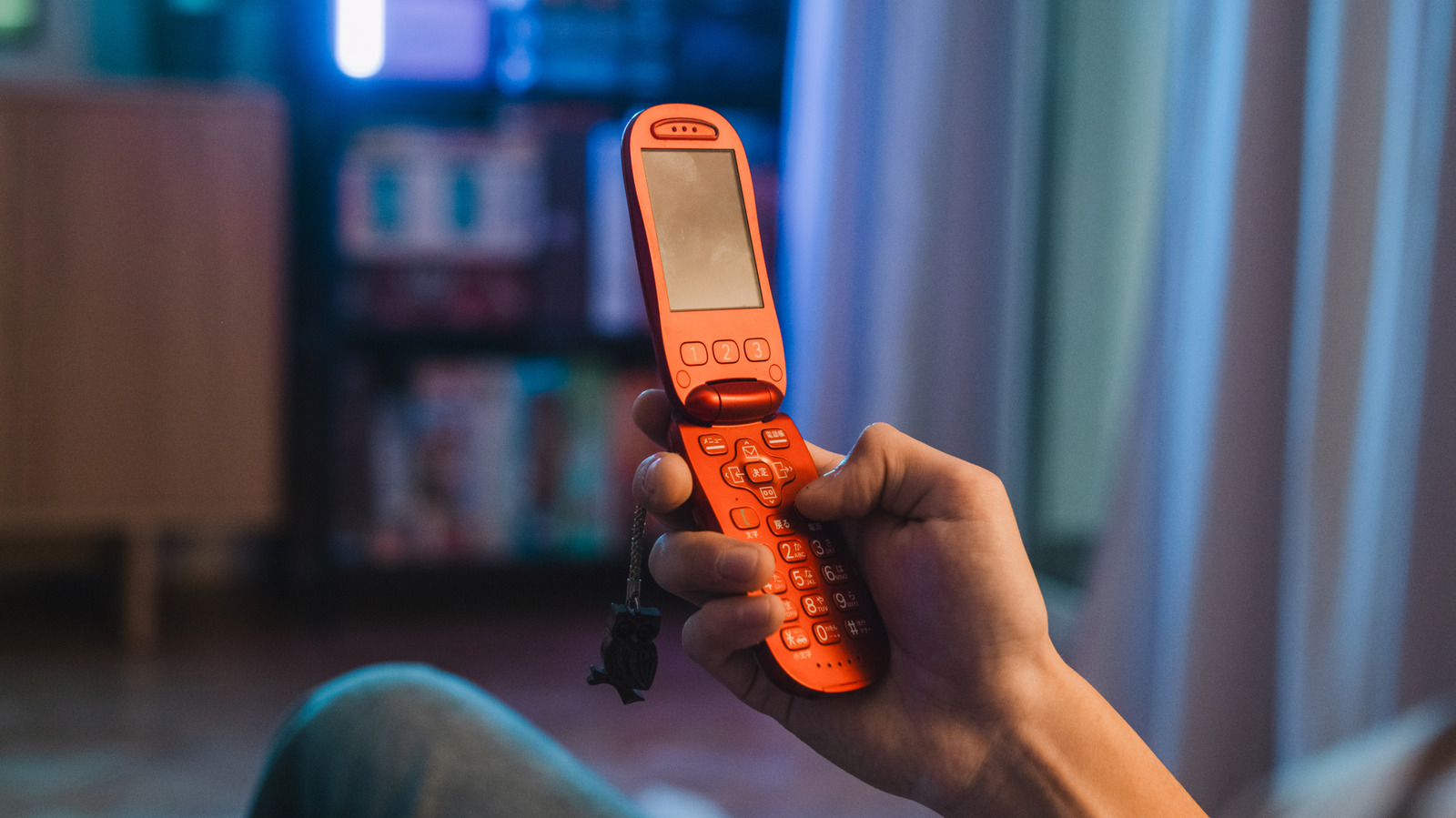
Once a ubiquitous symbol of mobile technology before the advent of smartphones, flip phones are experiencing a unexpected revival, particularly among younger demographics in the United States. This resurgence is being driven by a combination of nostalgia, a desire for reduced screen time, and the practical simplicity these devices offer.
Companies like Nokia and TCL have observed this trend and are reintroducing or promoting classic flip phone models. Devices such as the Nokia 2660 Flip, Nokia 2780 Flip, and TCL Classic are finding new popularity, moving beyond their traditional market of individuals seeking basic communication tools. The appeal extends to a demographic that grew up with smartphones, suggesting a counter-cultural shift towards simpler technology.
Analysts attribute this renewed interest to several factors. For many members of Gen Z, flip phones offer a tangible connection to an era before pervasive social media and constant digital connectivity. This 'retro appeal' transforms the device from a dated relic into a trendy accessory, differentiating users from the smartphone-carrying majority.
Furthermore, the push for a 'digital detox' is a significant motivator. With mounting concerns over mental health impacts of excessive smartphone use, including social media addiction and information overload, flip phones provide a deliberate limitation on digital distractions. Their basic functionalities primarily restrict use to calls and texts, thereby encouraging more present-moment engagement and less screen-based interaction.
Beyond the social and psychological aspects, practical considerations also play a role. Flip phones are typically more durable, have longer battery lives, and are less expensive than their smartphone counterparts. For some, they serve as a secondary device for specific situations, while for others, they represent a complete shift away from the complexities of modern mobile operating systems.
This trend highlights a broader societal conversation about technology's role in daily life. While smartphones continue to evolve with increasingly sophisticated features, the renewed embrace of simpler devices by a digitally native generation suggests a growing awareness of the trade-offs associated with constant digital immersion. It underscores a desire for balance and control over one's digital consumption, even if it means stepping back in technological time.