

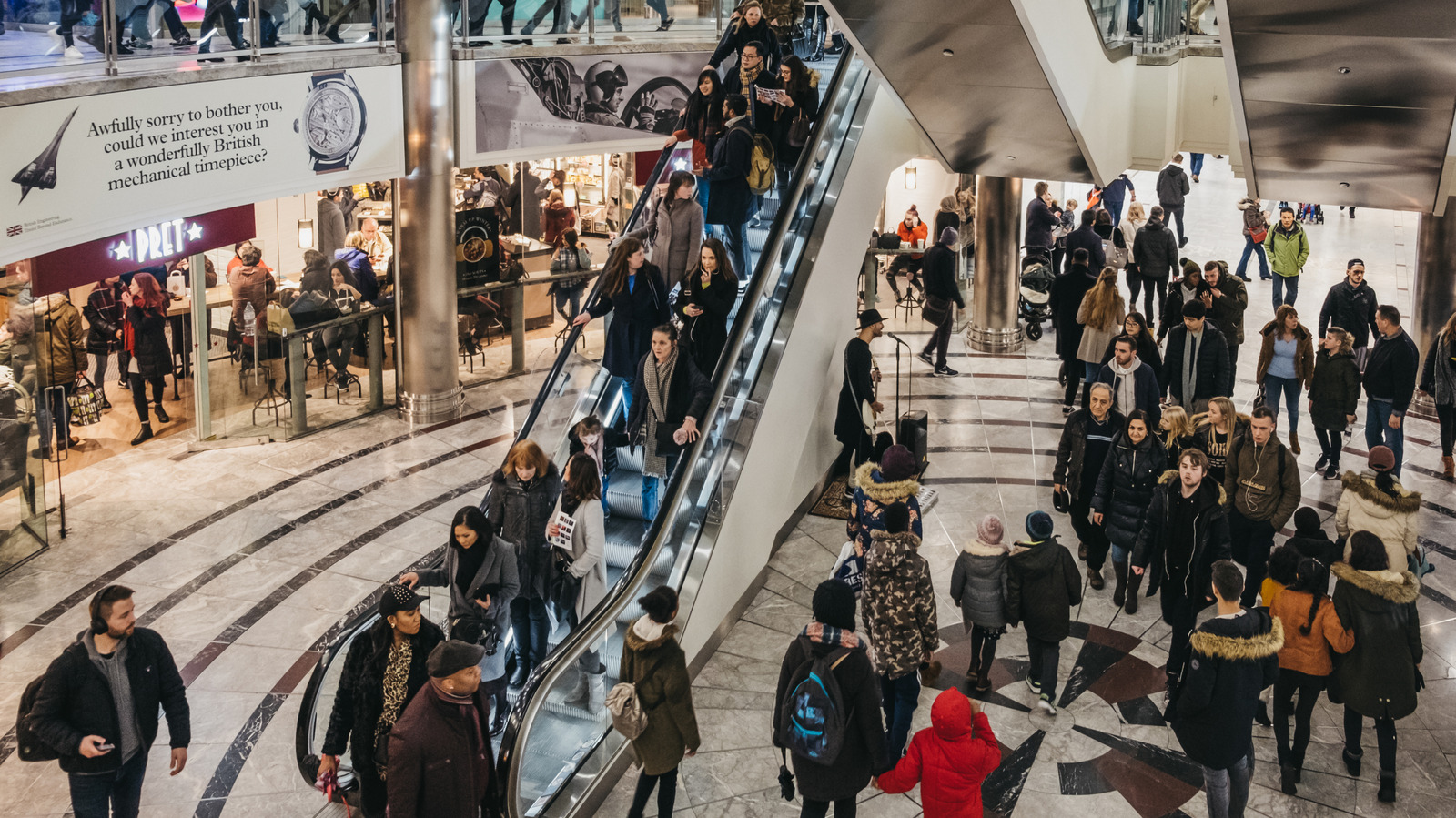
Google Maps, a widely used navigation and location intelligence platform, utilizes a sophisticated methodology combining anonymized user location data, search trends, and machine learning algorithms to generate real-time "busyness" estimates for businesses and public venues. This feature, which helps users anticipate crowd levels, has become increasingly prominent in recent years, impacting consumer behavior and business operations across the United States.
The core of Google's system relies on aggregated and anonymized historical location data from users who have opted into location services on their mobile devices. When a sufficient volume of data points indicates a pattern of user movement into and out of a specific establishment, Google's algorithms can identify typical peak and off-peak hours. This historical baseline is then augmented with current, anonymized, and aggregated location signals from active users within or near the business to provide a live estimate of its current activity level.
Beyond raw location tracking, Google Maps also integrates other data streams. These can include search queries related to a business, which might signal upcoming interest or events, and even information gleaned from Google's broader ecosystem, such as reservation data if a business utilizes Google's booking tools. This multi-faceted approach allows for a more nuanced understanding of crowd dynamics than a simple headcount.
For businesses, particularly those in the retail, hospitality, and service sectors, the "busyness" feature on Google Maps can have significant implications. Restaurants, for instance, might see altered foot traffic based on reported wait times, while retailers could experience shifts in customer flow. Understanding these patterns, which are essentially real-time market indicators, can inform staffing decisions, inventory management, and even marketing strategies.
From a consumer perspective, the feature offers practical benefits, such as avoiding long queues at grocery stores or identifying optimal times for appointments at healthcare facilities. In the context of public health, especially during periods of heightened concern, it can also assist individuals in making informed decisions about visiting crowded places.
However, the reliance on anonymized user data also raises ongoing discussions about data privacy and the ethical implications of large-scale data collection by technology companies. While Google maintains that the data is aggregated and anonymous, ensuring individual privacy, the sheer volume and granularity of information collected contribute to broader debates surrounding digital surveillance and user consent.
The accuracy of these busyness estimates can fluctuate depending on the volume of active Google Maps users in a given area and the nature of the business. Smaller, less frequently visited establishments might have less reliable data compared to popular, high-traffic locations. This variability is an inherent characteristic of data-driven predictive models that rely on user-generated signals.
As artificial intelligence and machine learning continue to evolve, it is anticipated that Google's ability to predict and display real-time crowd information will become even more sophisticated, potentially incorporating additional environmental factors and predictive analytics to offer increasingly precise insights for both consumers and businesses navigating the modern landscape.