

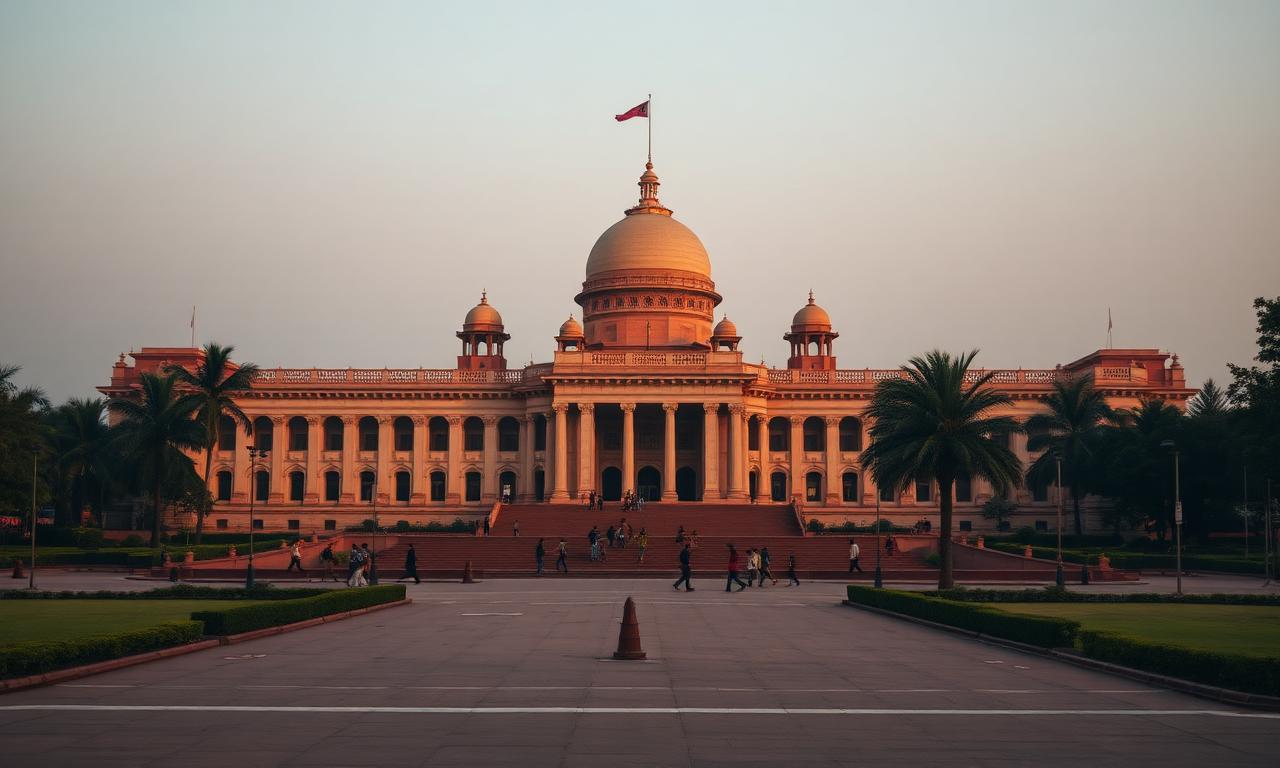
New Delhi, India – The Indian Parliament has successfully passed the Micro, Small, and Medium Enterprises (MSME) Development (Amendment) Bill, 2026. This legislative action, completed on Tuesday, aims to establish a more robust framework for ensuring prompt payments to MSMEs and facilitating quicker resolution of commercial disputes, directly impacting a significant segment of India's economy.
The newly enacted law is designed to tackle a long-standing issue faced by MSMEs: delayed payments from larger entities, both public and private. Such delays often cripple the cash flow of these smaller businesses, hindering their ability to invest, expand, and even sustain operations. The bill seeks to mandate stricter adherence to payment timelines and introduces more efficient mechanisms for redressal when these timelines are not met.
For Indian businesses, especially the vast network of MSMEs that form the backbone of the manufacturing and service sectors, timely payments are crucial. These enterprises frequently operate on tight margins, and prolonged payment cycles can lead to insolvency, job losses, and a slowdown in economic activity. The new bill is expected to alleviate some of these financial pressures.
The legislation also includes provisions for improved dispute resolution. Currently, legal battles can be protracted and costly for MSMEs, many of whom lack the resources to engage in lengthy litigation. The amended bill aims to streamline these processes, potentially incorporating mediation and arbitration more effectively, thereby reducing the burden on both the businesses and the judicial system.
The potential impact on India's economic landscape is considerable. MSMEs contribute significantly to the nation's Gross Domestic Product (GDP) and are major employers. By fostering a more stable financial environment, the government hopes to encourage growth, innovation, and job creation within this sector. This aligns with broader national initiatives aimed at boosting 'Make in India' and supporting local entrepreneurship.
Moreover, the successful implementation of this bill could have a positive ripple effect across various sectors. For instance, improved financial health of MSMEs could lead to increased demand for raw materials, better supply chain stability, and a more vibrant domestic market, indirectly benefiting larger corporations and even the Indian stock market (Sensex) as overall economic sentiment improves.
Given the critical role MSMEs play in India's economy, especially in rural and semi-urban areas where the monsoon economy dictates much of the business cycle, this bill could provide much-needed stability. It also underscores the government's commitment to creating a more business-friendly environment for smaller players, which is often a key agenda in state elections.
What happens next is that the government will focus on the effective implementation of the bill's provisions, including the establishment of new regulatory bodies or the strengthening of existing ones to oversee payment compliance and dispute resolution mechanisms. Awareness campaigns for MSMEs about their new rights and avenues for redressal are also anticipated.