
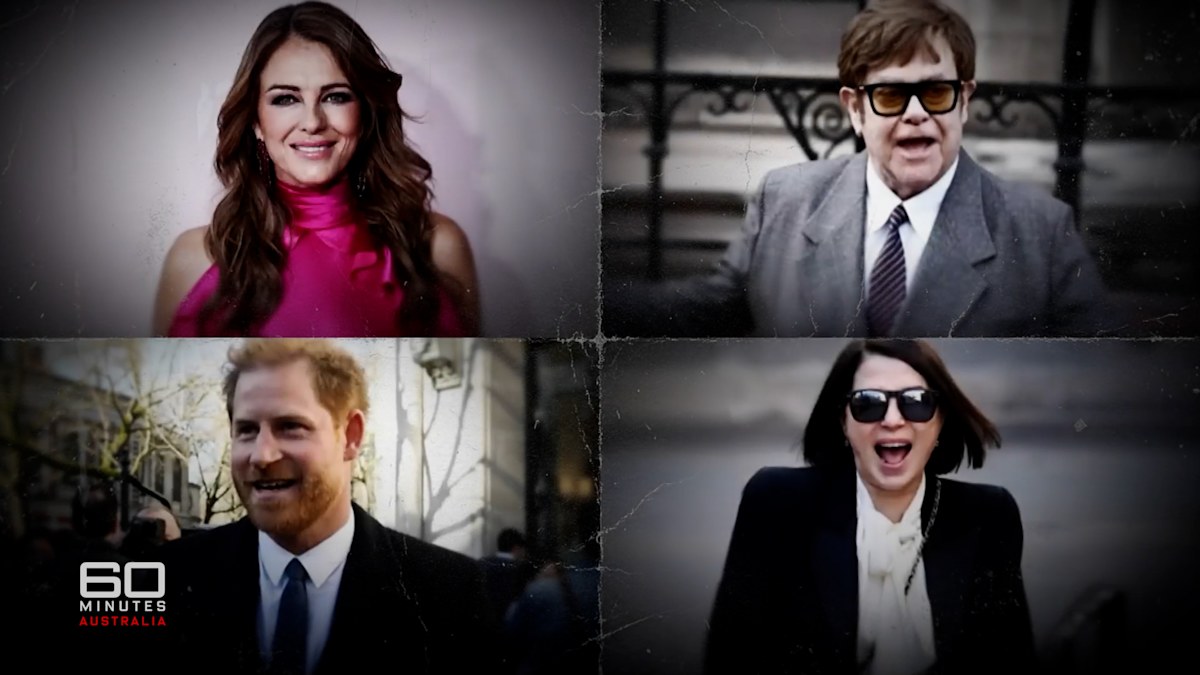
Prince Harry, the Duke of Sussex, has for years been engaged in a highly publicised legal struggle against several prominent British tabloid publishers. This campaign, which he has framed as an effort to reform journalistic practices and protect personal privacy, has recently concluded with a series of outcomes that highlight the complexities of challenging the powerful media establishment.
The Duke's legal strategy has primarily targeted alleged phone hacking and the unlawful gathering of private information. He achieved a significant victory against Mirror Group Newspapers (MGN) in December 2023, where the High Court ruled in his favour, awarding him £140,600 in damages for phone hacking and other illegal information-gathering activities. The judgment stated that his phone had been hacked "on a regular basis" for several years, confirming his long-held assertions about the tabloids' intrusive methods.
However, his case against Associated Newspapers Limited (ANL), publishers of the Daily Mail and Mail on Sunday, has proven more challenging. While some aspects of his claims against ANL were allowed to proceed, others faced hurdles. Notably, a significant portion of his claim related to alleged libel by the Mail on Sunday was settled out of court, with the Duke accepting an apology and undisclosed damages for an article that he claimed was defamatory.
More recently, Prince Harry's case against News Group Newspapers (NGN), publishers of The Sun and the now-defunct News of the World, also encountered difficulties. While some claims were permitted to advance, others were dismissed, indicating a nuanced legal landscape where not all allegations of unlawful information gathering have met the necessary evidential thresholds for a full trial.
These protracted legal battles have drawn considerable attention in Australia, where public interest in the British Royal Family remains strong. Many Australians have followed the Duke's efforts with interest, given the historical ties between the two nations and a shared media landscape that often grapples with issues of privacy and press freedom. The outcomes of these cases are seen by some as a test of accountability for media organisations and a potential precedent for future privacy claims.
The Duke's legal pursuits are not merely about personal grievances; he has consistently articulated them as part of a broader mission to protect not only himself but also others from what he perceives as unethical journalistic practices. Despite the mixed results, his sustained legal action has undoubtedly shone a spotlight on the historical practices of certain British tabloids, forcing a re-examination of how personal information is obtained and reported.
As Prince Harry continues to navigate his post-royal life, his relationship with the British media remains a central and often contentious aspect. While some view his legal efforts as a principled stand against media excess, others have criticised the cost and time involved in these extensive court proceedings. The long-term impact of his campaign on press regulation and privacy law in the UK, and by extension, its influence on global media ethics, will likely be debated for years to come.
-(1).jpeg?trim=0,0,0,0&width=1200&height=800&crop=1200:800)