

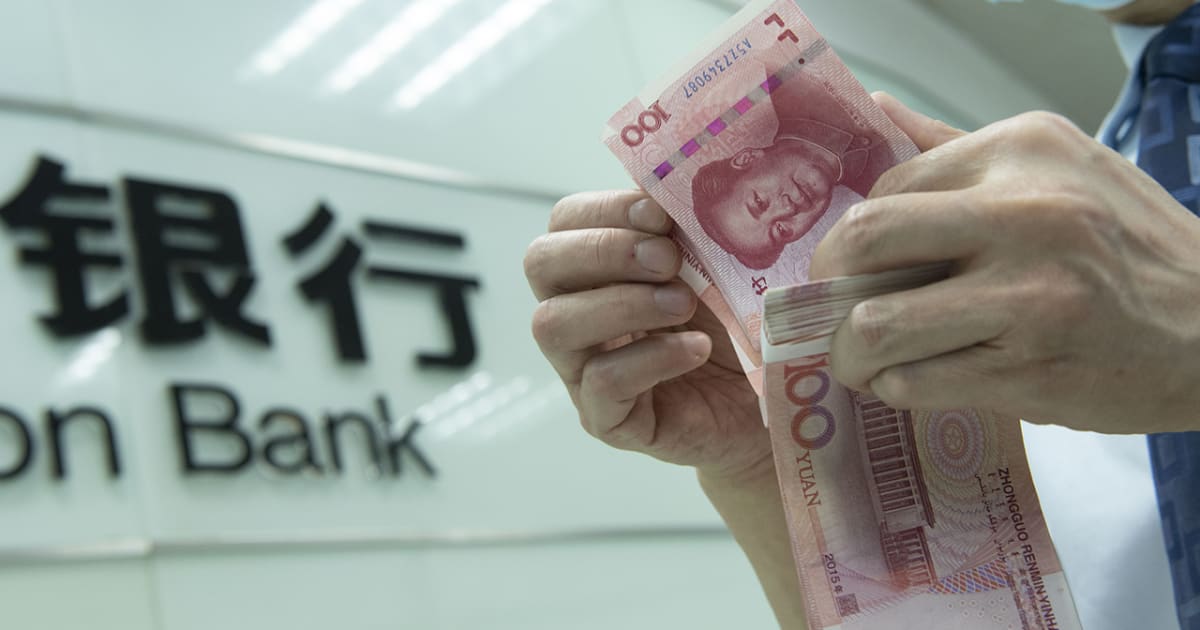
A recent analysis has rekindled debate among economists regarding the valuation of China's currency, the renminbi (RMB), and its potential impact on global trade dynamics. While China's economic data indicates a significant export boom, some experts contend that a weak renminbi is a key contributing factor, suggesting a stronger currency could address trade imbalances.
Historically, the valuation of the renminbi has been a contentious issue in international economic circles. Critics often argue that China maintains an undervalued currency to gain a competitive advantage in international trade, making its exports cheaper and imports more expensive. This perspective suggests that such a policy could distort global markets and affect the economic health of trading partners.
Recent data points to China's surging gold imports, which accounted for 1.5% of its Gross Domestic Product (GDP) in the second quarter. Additionally, questions have been raised about China's reported investment income balance. The country reports a deficit of $125 billion on approximately $4 trillion in net assets, a figure that some international financial institutions, including the International Monetary Fund (IMF), have found inconsistent with typical economic patterns.
Economists advocating for a stronger renminbi argue that such an adjustment would naturally rebalance trade by making Chinese goods more expensive abroad and foreign goods more affordable within China. This could lead to a more equitable global trade environment, potentially alleviating concerns about trade deficits in other nations.
However, other economic perspectives emphasize that currency valuation is influenced by a complex interplay of market forces, national economic policies, and global supply and demand. They caution against oversimplifying the issue, pointing out that attributing China's export success solely to currency manipulation might overlook other factors like productivity, supply chain efficiencies, and industrial policies.
The implications of China's currency valuation extend beyond trade figures, influencing global capital flows, investment decisions, and the stability of the international financial system. As the world's second-largest economy, China's economic policies, including its currency management, are closely monitored by governments and financial institutions worldwide.
This ongoing discussion underscores the complexities of international economics and the challenges in achieving global trade equilibrium. The various viewpoints highlight the need for continued dialogue and analysis to fully understand the intricate relationship between currency valuation, trade, and global economic health.