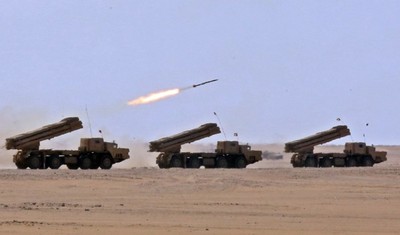


Kyiv, the capital of Ukraine, was subjected to a series of missile attacks on Monday, October 28, resulting in multiple explosions across the city. The assaults followed widespread air raid alerts, signaling a significant escalation in the ongoing conflict with Russie. Local authorities reported damage to infrastructure and initiated emergency response protocols, though immediate casualty figures were not released.
The attacks represent a renewed intensity in military actions targeting Ukrainian urban centers. These strikes often lead to widespread disruption, impacting civilian life, critical infrastructure, and economic stability. For a nation like Switzerland, deeply intertwined with global financial markets and humanitarian efforts, such events carry significant implications, affecting everything from commodity prices to the stability of international supply chains.
The strategic rationale behind such barrages typically involves degrading Ukraine's defense capabilities, disrupting logistics, and exerting psychological pressure on the populace. The broader conflict, now in its third year, has profoundly reshaped geopolitical landscapes and continues to challenge international norms of sovereignty and territorial integrity. Swiss private banking institutions, for instance, have had to navigate complex sanction regimes and increased risk assessments due to the protracted instability.
The ongoing war has also exacerbated global inflationary pressures and commodity price volatility, directly affecting Swiss consumers and businesses. Energy prices, in particular, have seen fluctuations, influencing household budgets and industrial operational costs. The Swiss National Bank (SNB) closely monitors these external shocks, considering their potential impact on domestic inflation and economic growth projections.
Furthermore, the conflict has spurred a humanitarian crisis, displacing millions and placing significant strain on international aid organizations. Switzerland, known for its neutrality and humanitarian tradition, has actively supported relief efforts and provided sanctuary to Ukrainian refugees, leading to discussions about social service provisions and Krankenkasse (health insurance) coverage for new arrivals.
The economic ramifications extend to global trade, impacting sectors from agriculture to high-tech manufacturing. The disruption of Black Sea shipping routes, for example, has consequences for global food security, while uncertainties in energy supply affect industrial output worldwide. Swiss companies, particularly those involved in global supply chains, face increased costs and logistical challenges.
Looking ahead, the international community continues to seek diplomatic solutions, although prospects for an immediate cessation of hostilities remain dim. The coming weeks will likely see continued military actions, further testing the resilience of Ukraine and the resolve of its international allies. The long-term implications for European security architecture and global economic stability will continue to be a central focus for policymakers in Bern and beyond.