
The volatile landscape of US-Iran relations remains fraught with tension, despite a recent de-escalation in military activities in West Asia. While reports suggest a halt in bombing campaigns following a period of retaliatory strikes, Tehran has unequivocally rejected any prospects of negotiations with Washington, steadfastly asserting its sovereignty over crucial waterways like the Strait of Hormuz.
This latest development unfolds against a backdrop of intense diplomatic efforts by various international mediators, who had previously indicated some progress in defusing the crisis. The pause in hostilities, which saw 13 consecutive nights of strikes followed by Iranian retaliation on US bases, offered a glimmer of hope for a potential pathway towards dialogue. However, Iran's foreign ministry's firm stance signals a continued impasse, challenging the efficacy of these mediation attempts.
The Strait of Hormuz, a strategically vital choke point for global oil shipments, has been a recurring flashpoint in the ongoing friction. Iran's reiteration of its control over this passage underscores its determination to leverage its geographical advantage in any future dealings. The implications of such assertions extend beyond regional security, directly impacting global energy markets and international maritime commerce.
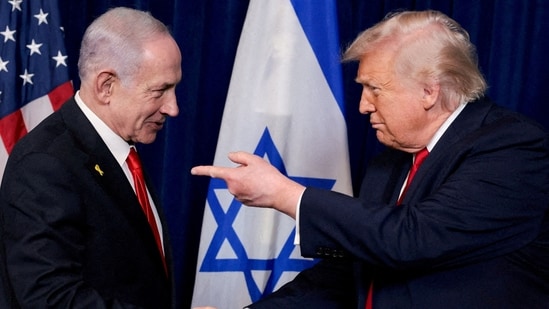
Meanwhile, the international community watches closely as two key global leaders, US President Donald Trump and Israeli Prime Minister Benjamin Netanyahu, are reportedly scheduled to meet. This meeting is expected to address the escalating tensions with Iran, among other pressing regional concerns. Israel, a staunch opponent of Iran's nuclear program and regional influence, is a crucial player in the broader geopolitical dynamics of West Asia.
The current stalemate revives memories of previous diplomatic failures and underscores the complex historical grievances that define the relationship between the two nations. Past attempts at negotiation have often faltered due to deep-seated mistrust, divergent national interests, and fundamental ideological differences. The absence of a direct communication channel further exacerbates the difficulty in finding common ground.
Analysts suggest that while the immediate military confrontation may have subsided for now, the underlying causes of the conflict remain unaddressed. Without a willingness from both sides to engage in constructive dialogue, the potential for renewed hostilities, either direct or through proxies, continues to loom large. The coming weeks will be critical in determining whether a more stable, albeit fragile, equilibrium can be achieved, or if the region is poised for another cycle of escalation.
The ongoing diplomatic ballet will require concerted effort from all parties, including regional and international actors, to steer the situation away from another potentially devastating conflict. The stability of West Asia, and indeed global energy security, hinges on the careful navigation of these intricate and deeply entrenched geopolitical currents.

-(1).jpeg?trim=0,0,0,0&width=1200&height=800&crop=1200:800)