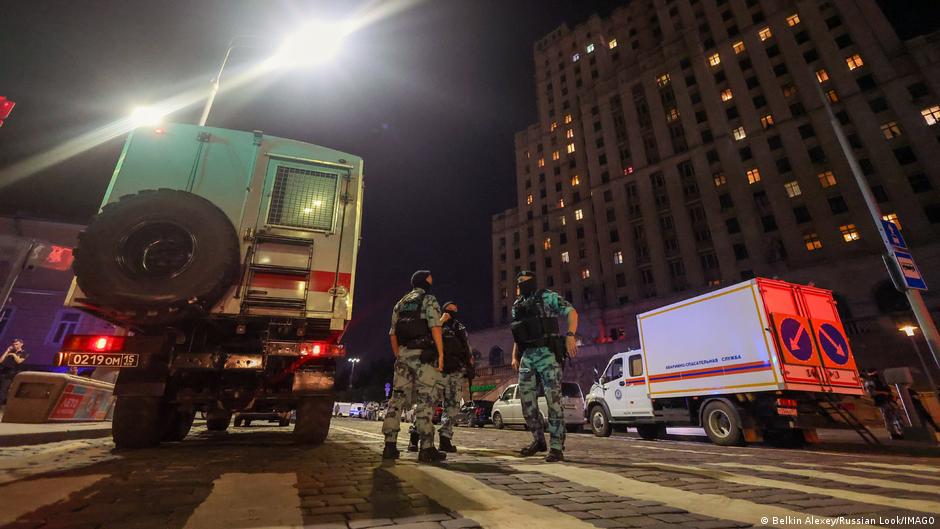


Multiple fires erupted across Belgorod, Russia, overnight on August 9, following a reported extensive drone attack launched by Ukraine's military, according to numerous Russian Telegram media channels.
The city of Belgorod, located approximately 25 miles north of the Ukrainian border, has frequently been a target since Russia's full-scale invasion of Ukraine began in February 2022. These attacks often involve drones or shelling, which Russian authorities attribute to Ukrainian forces. Such incidents underscore the ongoing cross-border hostilities that have become a characteristic feature of the conflict.
Ukrainian officials rarely comment directly on alleged attacks within Russian territory, adhering to a policy of strategic ambiguity regarding operations beyond their own borders. This approach complicates independent verification of responsibility but allows Ukraine to maintain pressure on Russian logistics and military infrastructure without formal acknowledgment.
The economic implications for border regions like Belgorod are significant. Businesses and residents face heightened insurance premiums, and the constant threat of attack can deter investment and disrupt supply chains. The psychological toll on the civilian population is also considerable, leading to displacement and calls for enhanced defensive measures from local authorities.
From a military perspective, these drone attacks serve several purposes for Ukraine. They can degrade Russian military capabilities, disrupt logistical hubs, and divert valuable air defense resources from the front lines. They also contribute to a narrative of vulnerability within Russia, challenging the Kremlin's assurances of security.
The ongoing drone campaign has prompted Russia to bolster its air defense systems in border regions, often deploying Pantsir-S1 and S-400 missile systems. The cost of maintaining these extensive defensive networks, coupled with the repairs needed after successful strikes, places an additional strain on Russia's defense budget, potentially impacting resource allocation for its broader military efforts.
The frequency and scale of these reported attacks signal a continued evolution in Ukraine's combat strategies, increasingly leveraging drone technology to project power and disruption deep into Russian territory. This mirrors a broader trend in modern warfare, where unmanned aerial vehicles play an ever-more critical role in reconnaissance, targeting, and direct engagement.
Future developments will likely see both sides continue to refine their offensive and defensive drone capabilities, potentially escalating the intensity and geographic reach of such cross-border engagements.